Amala Mahadevan’s lab studies physical processes related to the oceanic carbon cycle, biogeochemical distributions, and the ocean’s role in climate change. Using modeling and the analysis of observational data, the group investigates the implications of ocean processes on the productivity and distribution of phytoplankton, the transport and mixing of properties, and the exchange of heat and freshwater between the surface ocean, deep ocean and atmosphere.
Having developed one of the first three-dimensional non-hydrostatic ocean models suited for limited domains, the group uses the model as a research tool for exploring mesoscale and submesoscale phenomena. The Process Study Ocean Model (PSOM) is used to study a number of processes such as the vertical transport of nutrients by frontal and submesoscale processes, the dynamics of the shelfbreak front, heterogeneity in the distributions of various biogeochemical tracers, and the interaction of aquatic vegetation and flow in shallow coastal environments. Data from a number of sources including satellite, in situ ship-based observations, and autonomous observations with ships and gliders are the basis of many of the studies.
One broad theme of the research is understanding the interactions between physical processes, the autotrophic community and the carbon cycle. Another is the role of the surface oceanic layer in exchanging heat, moisture and gases with the atmosphere and the vast ocean that lies beneath.
Group Members
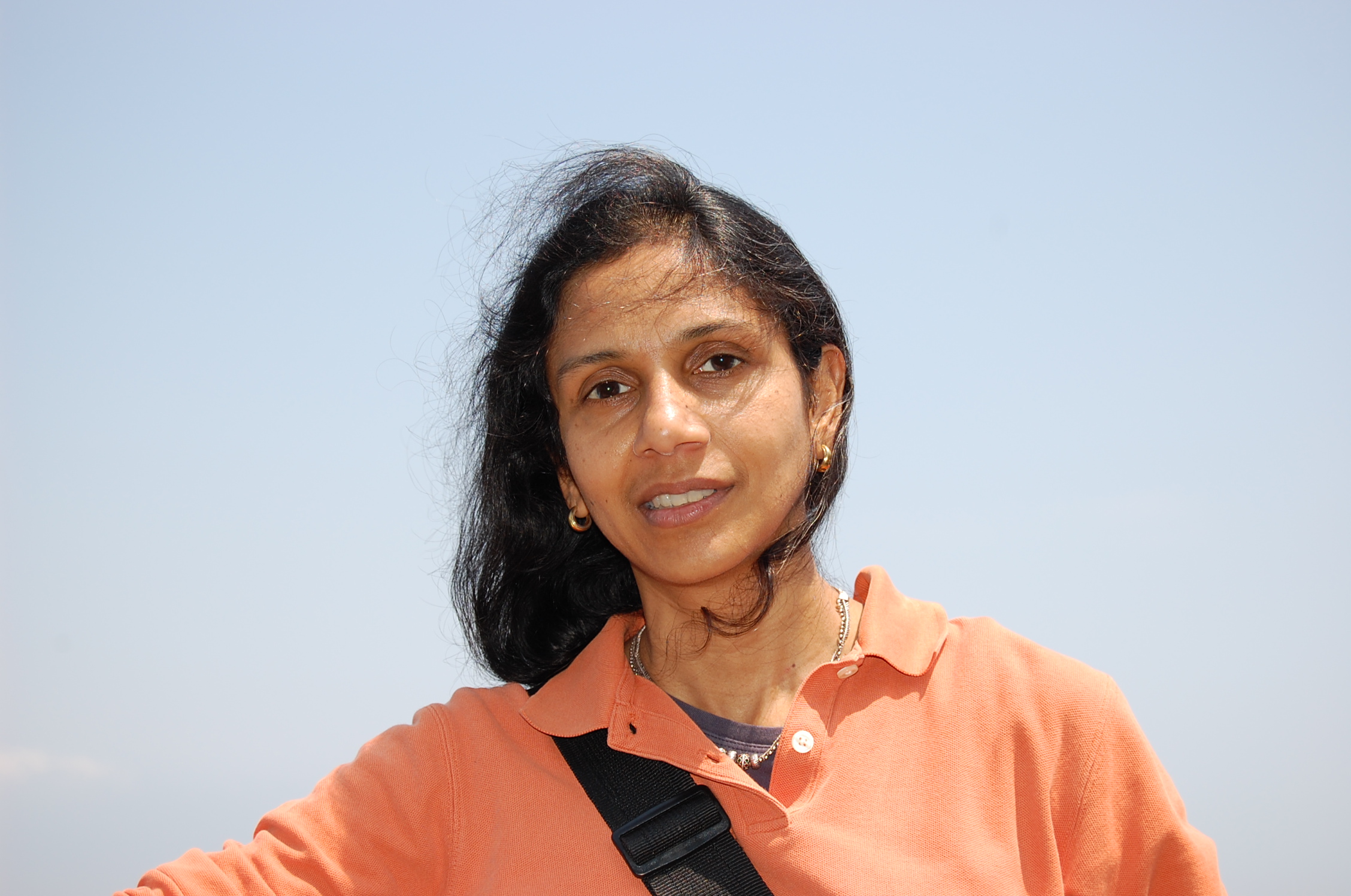
Amala Mahadevan
Senior Scientist
Physical Oceanography
Tel: +1 508 289 3440
amala@whoi.edu
Amala_Mahadevan_CV
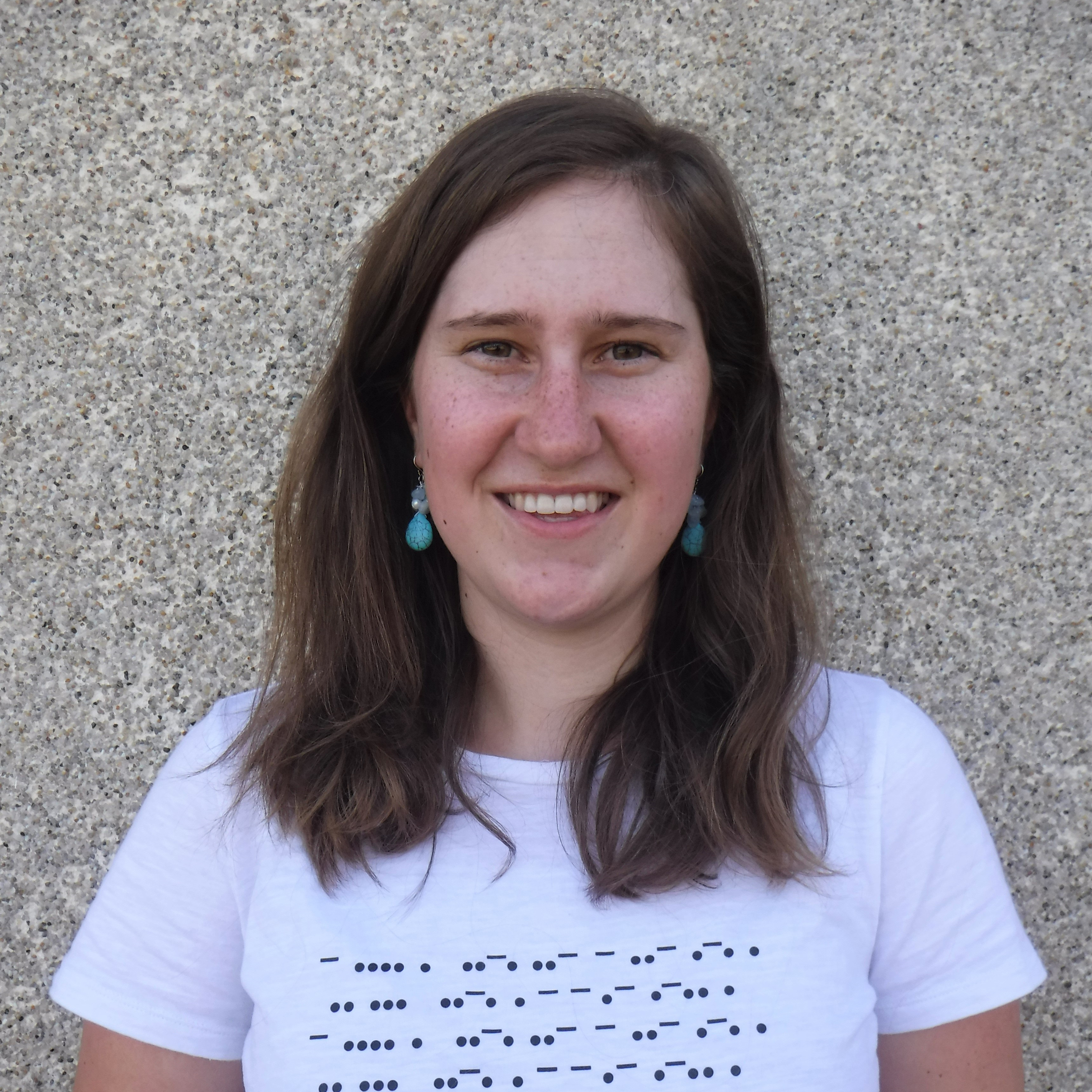
Kathleen Abbott
Ph.D. Student
MIT/WHOI Joint Program
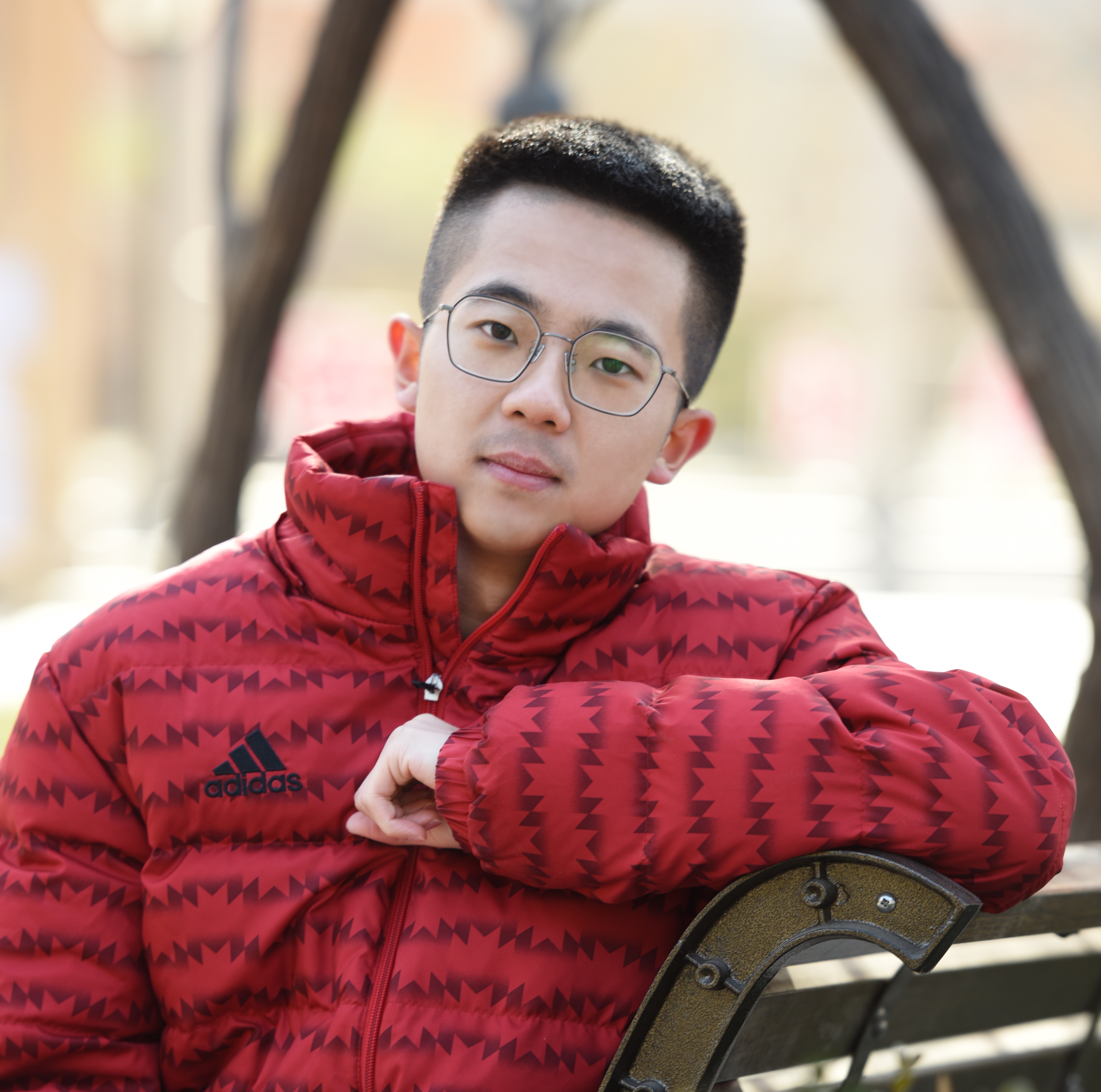
Weiguang (Roger) Wu
Ph.D. Student
MIT/WHOI Joint Program
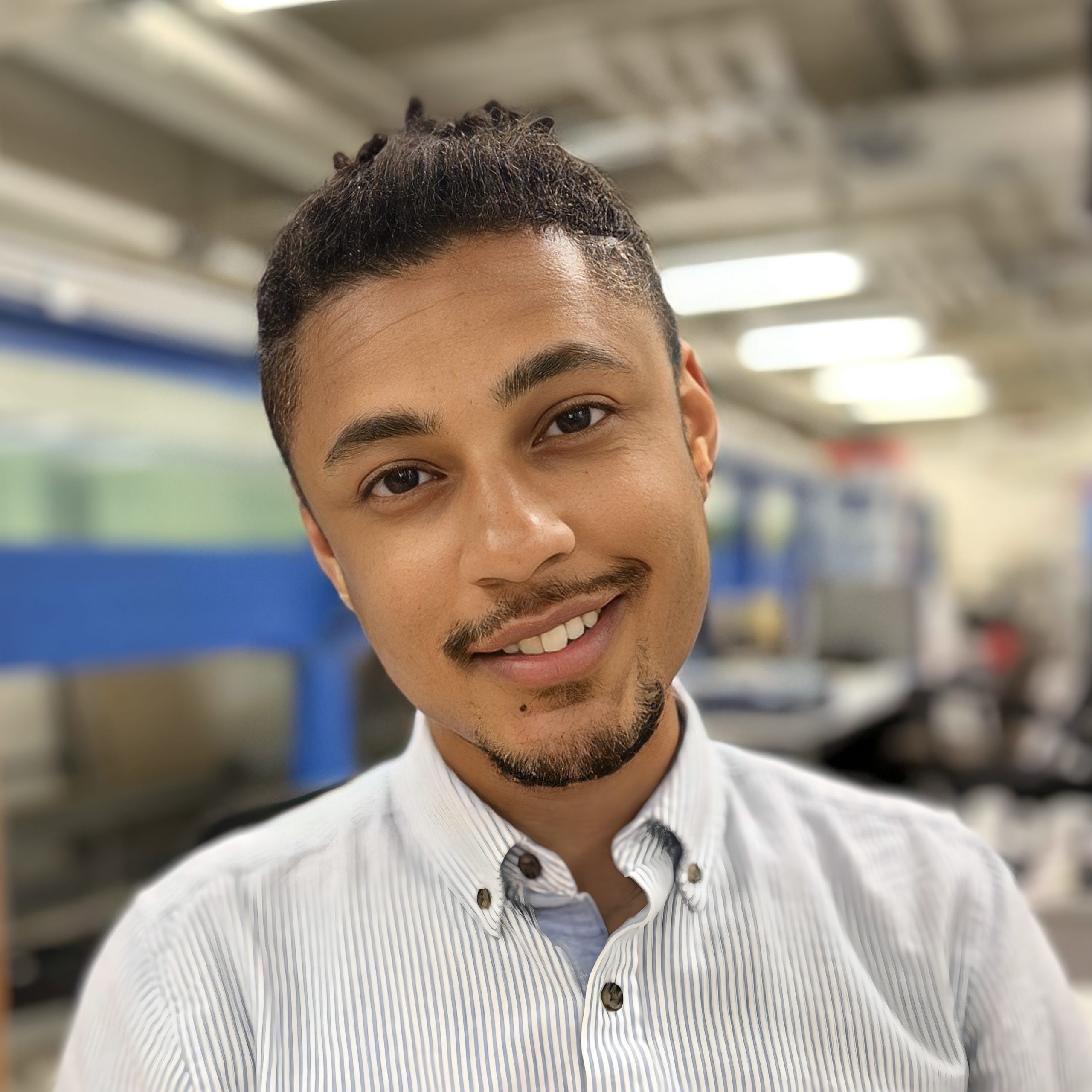
James Brice
Ph.D. Student
MIT/WHOI Joint Program
Sarah Packman
Ph.D. Student
MIT/WHOI Joint Program
Menno Laveaux
Ph.D. Student
MIT/WHOI Joint Program
Alex Kinsella
Research Associate III
Recent Publications
Wu, W., L. Middleton, D.R. Tarry, E.A. D’Asaro, A. Mahadevan, Curvature induced subduction in a cyclonic eddy (2025). J. Physical Oceanogr. doi: 10.1175/JPO-D-25-0063.1
Middleton, L., Wu, W., Johnston, T. S., Tarry, D. R., Farrar, J. T., Poulain, P. M., Ozgokmen, T.M, Shcherbina, A.Y., Pascual, A., McNeil C.M., Belgacem, M., Berta, M., Abbott, K., Worden, A.Z., Wittmers, F., Kinsella, A., Centurioni, L.R., Hormann, V., Cutolo, E., Ruiz., S., Casas, B., Cheslack, H., CALYPSO collaboration, D’Asaro, E.A., and Mahadevan, A. (2025). Observations of a splitting ocean cyclone resulting in subduction of surface waters. Science Advances, 11(30), eadu3221.
Abbott, Kathleen and A. Mahadevan, Why is the monsoon coastal upwelling signal subdued in the Bay of Bengal?, 2024, J. Geophys. Res. 129, e2024JC022023, doi:10.1029/2024JC022023
Wu, Weiguang. and A. Mahadevan, Air-sea turbulent heat flux affects oceanic lateral eddy heat transport, 2024, Geophys. Res. Lett. doi:10.1029/2024GL110459
Freilich, Mara, C. Poirier, M. Dever, E. Alou-Font, J. Allen, A. Cabornero, L. Sudek, C.J. Choi, S. Ruiz, A. Pascual, J.T. Farrar, T.M. S. Johnston, E.A. D’Asaro, A.Z. Worden, A. Mahadevan, 3D intrusions transport active surface microbial assemblages to the dark ocean, 2024, Proc. Nat. Acad. Sci., 21(19) e2319937121
Gula, J., J. Taylor, A. Shcherbina and A. Mahadevan, Submesoscale processes and mixing, 2022, In Ocean Mixing (pp. 181-214). Elsevier..